WestJet Cancels Its New Seat Configuration After Public Backlash
WestJet has confirmed it is abandoning its controversial economy seat configuration that introduced fixed-recline seats and tighter legroom on parts of its Boeing 737 fleet. The move comes after days of escalating public criticism, viral social media videos, and concerns raised by both customers and frontline employees.
If you’ve been following the story, the headline is simple: WestJet tried a denser cabin layout, the reaction was swift and loud, and the airline is now reversing course and returning to its previous standard economy setup on the aircraft that were modified.
But the full story matters, because it explains how this happened, why the backlash hit so hard, and what travelers should realistically expect next.
What Was WestJet’s “New Seat Configuration”?
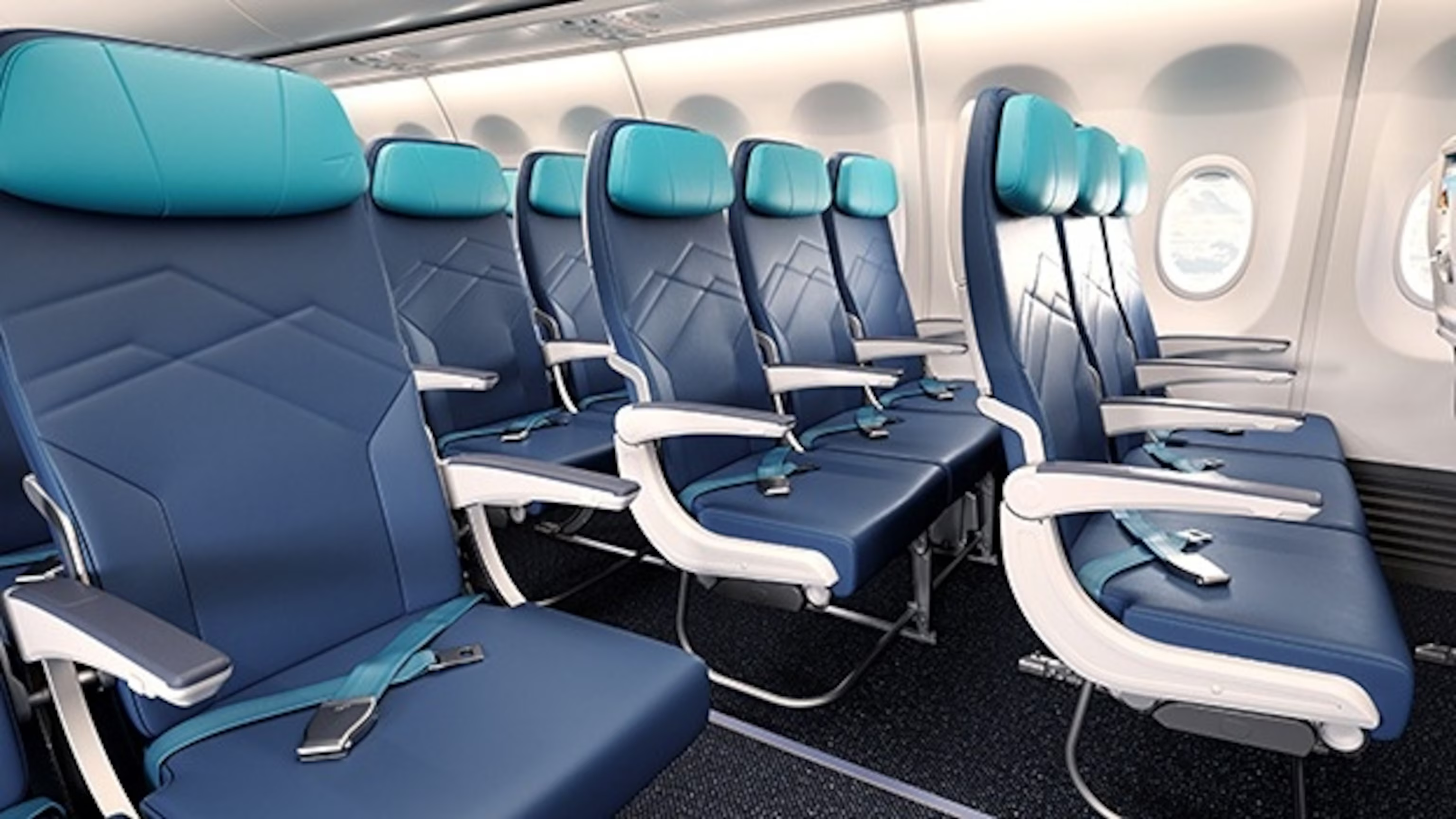
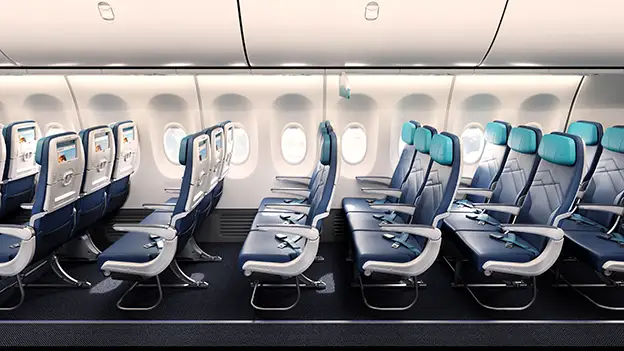
WestJet’s reconfiguration was part of a broader cabin refresh plan for a portion of its narrowbody fleet. The goal was to create more “choice” inside Economy by splitting seats into tiers, typically including:
- Standard Economy seats with the least space in the back portion of the plane
- More legroom options (like Extended Comfort) sold at an additional cost
- A Premium cabin on aircraft that previously operated with a single-cabin layout
The controversial piece was the densification of the Economy cabin on some Boeing 737 aircraft. That densification was achieved by adding an extra row and reducing seat pitch (the distance between a point on one seat and the same point on the seat in front). On the most-criticized rows, seat pitch dropped to roughly 28 inches, and many of those seats were designed with a fixed recline angle rather than adjustable recline.
In plain terms, many travelers felt they were being squeezed, and then asked to pay extra to access what used to feel like a normal amount of space.
The Timeline: From Seat Plan Announcement to Full Reversal
Here’s how the situation unfolded, step by step.
September 2025: WestJet Announces a 737 Cabin Reconfiguration Plan
In September 2025, WestJet publicly outlined plans to reconfigure a set of Boeing 737 aircraft as part of a cabin update strategy. This included adding more segmentation to Economy (different comfort tiers) and densifying parts of the cabin to increase total seat count.
At the time, the framing was about offering more options at different price points, while keeping base fares competitive.
October 2025: The First Reconfigured Aircraft Enter Service
WestJet indicated the first aircraft with the new cabin configuration would welcome passengers in October 2025. As these aircraft entered service, more travelers began encountering the new standard seating layout in the wild.
Early on, many passengers likely didn’t notice until they boarded, because most people don’t expect major legroom variation within a single airline’s “standard economy,” especially on domestic routes.
Fall 2025: The Trial Expands Across More Aircraft
As the months progressed, more aircraft were modified. Reports indicate the configuration had already been installed on a couple dozen Boeing 737s by early 2026, with plans to expand to more.
This is also when the debate started to sharpen: travelers weren’t only criticizing comfort. They were questioning transparency (how would you know you’re on one of these planes before booking?) and fairness (are airlines turning normal comfort into an upsell?).
Mid-December 2025: WestJet Pauses the Rollout
By mid-December 2025, WestJet paused further rollout of the configuration. The airline said it planned to monitor feedback and operational data before deciding how to proceed.
The pause was significant because it suggested WestJet recognized the controversy wasn’t minor. A pause is not a full reversal, but it is a clear signal that the rollout was no longer proceeding as planned.
Early January 2026: Viral Videos Ignite a Wider Backlash
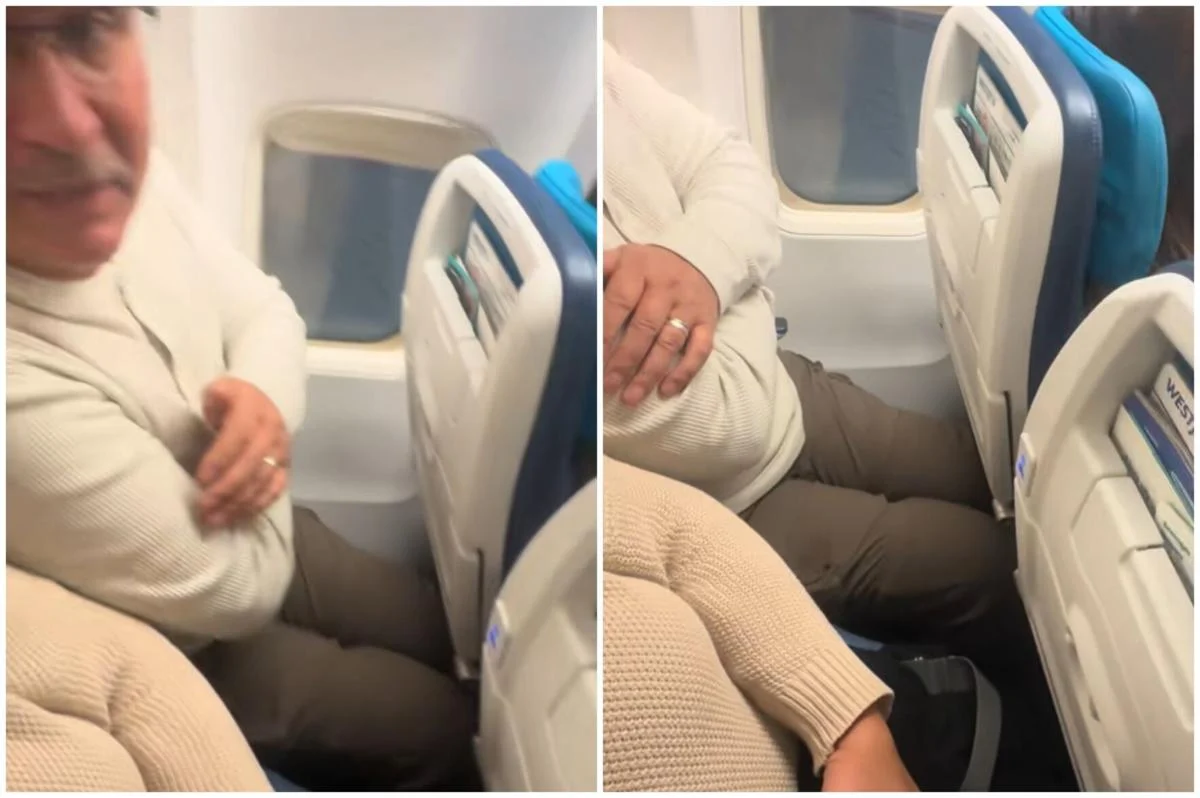
In early January, social media content showing passengers physically wedged into tight rows spread quickly. This is when the issue “escaped” frequent flyers and aviation forums and reached a much larger mainstream audience.
The viral element changed everything. Instead of being a niche product complaint, it became a reputational story: passenger dignity, comfort, and the optics of shrinking space became the headline.
At the same time, employee voices became part of the story as well, including concerns around working conditions and safety margins in cramped rows.
January 13, 2026: WestJet Speeds Up Its Review Timeline
On January 13, reporting indicated WestJet accelerated its review of the seats, moving up a decision that had originally been targeted for February. That detail mattered because it showed the airline was reacting in real time to the intensity of the backlash.
January 16, 2026: WestJet Cancels the Configuration and Returns to Prior Standard Economy Seats
Today, January 16, WestJet confirmed it will scrap the non-reclinable economy seat approach on the affected Boeing 737 aircraft and return to its previous standard economy seating setup.
This is the clearest possible outcome short of a full public apology: the airline is not simply pausing expansion, it is abandoning the experiment and rolling back what was already installed.
Why the Backlash Was So Intense
Airline seats have been getting tighter for years, so why did this one explode?
It felt like a new “pay to be comfortable” threshold
Many travelers accept paying extra for premium perks like lounge access, priority boarding, or extra legroom. But this story struck a nerve because it appeared to reduce baseline comfort, then sell comfort back as an upgrade.
That framing creates immediate distrust, especially when passengers feel they weren’t clearly warned before purchase.
The viral videos made the experience undeniable
A lot of airline frustrations are abstract until you see them. Once people saw knees pressed into seatbacks and passengers unable to sit normally, it became something that us as travellers may actually end up having to endure.
Safety and evacuation concerns entered the conversation
When you densify a cabin, the public starts asking questions about evacuation speed, mobility, and whether regulatory standards are keeping up.
Even if an aircraft meets certification requirements, the optics of “this looks unsafe” can be just as damaging as a technical safety issue.
It wasn’t easy for customers to identify these planes while booking
Another accelerant was transparency. Travelers want to know what they are buying. When a product shift is significant, people expect clear disclosure at booking, rather than a surprise at boarding.
Canada also has a regulatory gap here: there is no widely used consumer-facing standard that forces airlines to publish seat pitch clearly during the booking flow for every seat on every flight.
WestJet’s Reasoning for Reversing Course
WestJet has pointed to customer feedback and operational data as drivers for the decision to revert to the previous configuration.
Airlines rarely reverse a cabin strategy unless the cost of continuing is higher than the cost of undoing it. And undoing a cabin configuration is not cheap.
What likely changed the cost-benefit calculation:
- Reputational damage snowballing rapidly in Canadian media
- Increased frontline strain (customer service and cabin crew handling frustrated passengers)
- Risk that the controversy would harm bookings, loyalty, and brand positioning
- The possibility of ongoing negative coverage each time a passenger posted a new video
What Happens Now: Practical Impacts for Travelers
WestJet’s decision is a major headline, but the experience on your next flight depends on timing and logistics.
Reconfigured planes won’t revert overnight
Even with a clear decision to roll back the configuration, physical changes require maintenance time, parts availability, and scheduling aircraft out of service.
So in the short term, some travelers may still encounter the tighter configuration while the airline works through reversals.
If you have an upcoming WestJet booking
A few practical steps that can help reduce surprises:
- Check your aircraft type closer to departure (aircraft assignments can change).
- If seat selection is available, compare the seat map options and look for economy that goes to row 31 rather than 30. 31 rows means that's the denser cabin.
- Consider selecting a seat category with more space if it’s reasonably priced for your trip length.
Expect WestJet to refine how it communicates cabin layouts
One outcome of this saga is likely improved disclosure. When an airline changes its product significantly, booking clarity becomes a business necessity, especially after all the backlash they received.
Key Takeaways
- WestJet introduced a denser economy configuration on some Boeing 737 aircraft, with fixed-recline seats and reduced pitch in parts of the cabin.
- The airline paused expansion in December 2025 and accelerated its review in mid-January 2026 after viral backlash.
- On January 16, 2026, WestJet confirmed it will scrap the configuration and return to its prior standard economy seats.
- The reversal is a notable example of consumer pushback successfully forcing a major airline product change.
If you’re a traveler, the main lesson is simple: cabin configurations can change faster than most people realize, and it’s worth checking seat maps and aircraft assignments, especially when a major airline is actively experimenting with product tiers.